Complexity & Ecology Research

  • he
  • Home
  • About
  • Research
  • Blog
  • teaching

Uncharted Life

Explore the hidden depths of "Uncharted Life." This blog reveals how complex systems shape everything from our biology to global conflicts, finding meaning in life's unpredictable journey.

The Mind's Native Tongue - Myth, Symbol, and the Internal Map

Reflecting on my own mythology, this piece argues that pirituality and symbols are vital sense−making frameworks necessary for internal coherence and mental management.

My Journey at the an open University: A Candid Look at the Experience

my experience at the Open University of Israel was a unique period in my life. It was filled with the wonderful feeling of freedom and fulfillment but also presented its own set of challenges. This text is meant to help people decide if this experience is right for them.

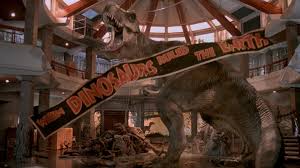
Chaos Theory of Human Hubris: From Jurassic Park to Afghanistan

Chaos theory teaches us that some systems are inherently unpredictable. From resurrecting dinosaurs to nation-building, understanding our limitations is vital. By studying biology, we can learn valuable lessons on these limits without having to face the real-world consequences of our hubris.

Compassion, Empathy, and Activism Without Burnout

When we witness suffering and injustice, we often feel guilt and distress. But basing activism on these emotions is unsustainable. This post explores how psychology, neuroscience, and ancient traditions can help us transform pain into the lasting power of compassion.

Thanos's Flawed Premise: A Deeper Look at Population and Resources

In 1798, the well-known economist Thomas Malthus predicted that population growth would inevitably lead to scarcity and political collapse. Yet, 227 years and a tenfold population increase later, we produce more food than we need. This post explores how we have repeatedly succeeded in outsmarting this dire prophecy and asks if we can continue to dodge the bolt.

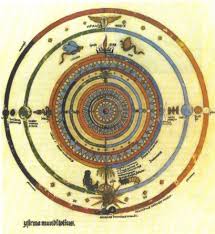
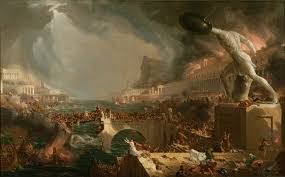
Rent-Seeking, Complexity, and the Fall of Empires

Every dominant empire in history—from Song China to the British Empire—has peaked at a global economic share of roughly 15-25%. This post dives into the data and theories explaining this recurring ceiling, revealing how systems of growth inevitably turn into engines of decline.

Building Worlds: Why Our Realities Diverge

Why do intelligent people hold seemingly strange beliefs? Can we ever be truly sure of what's right? And in an increasingly complex world, how do we navigate the pervasive spread of misinformation? This post explores these vital questions through the lenses of the philosophy of science and complex systems theory, offering insights into how our individual understandings of reality are constructed.

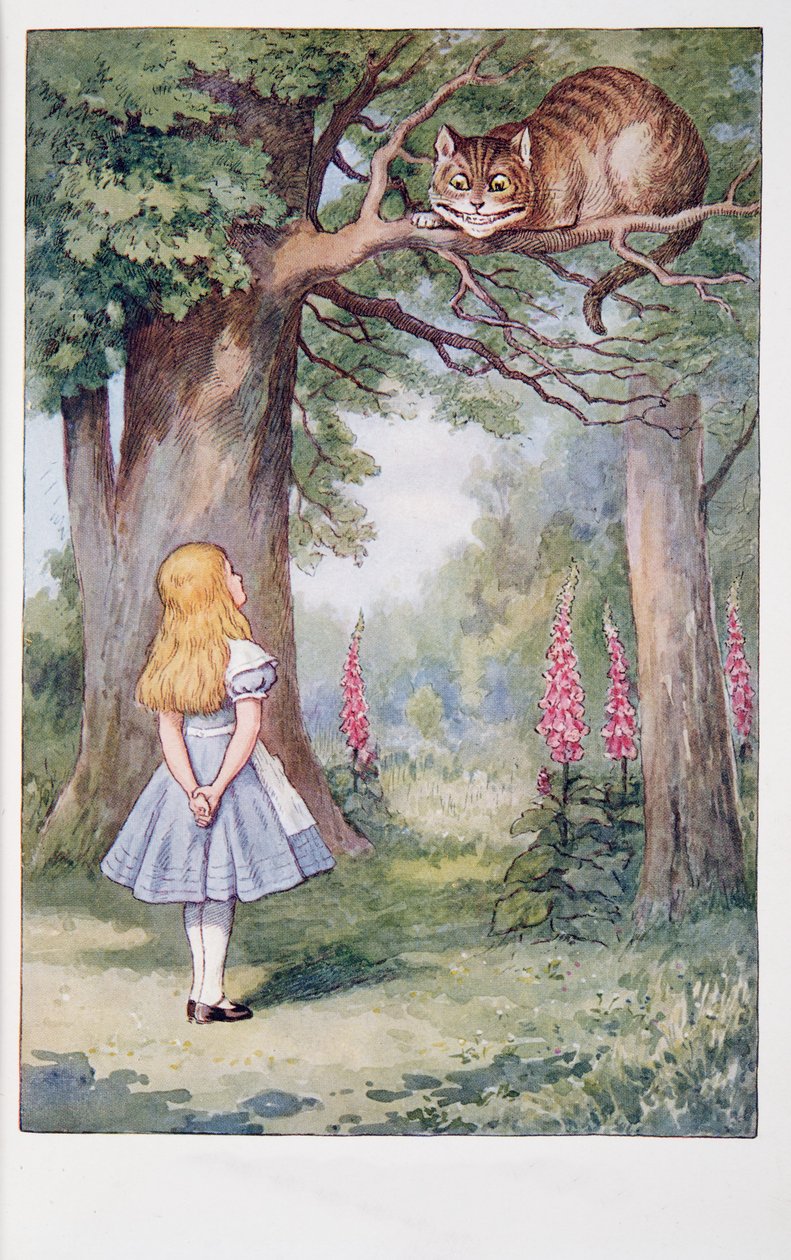
The Curiosity and the Cat: Innovation, Exploration, and Assembly Theory

Assembly theory offers a fresh perspective on curiosity, evolution,and innovation—revealing how systems grow not by leaps, but through balanced, layered progress.

The Ghost of Hari Seldon: Asimov's Foundation Revisited in the Light of Complexity Science

Explore how Isaac Asimov's psychohistory from Foundation anticipates modern complexity science, examining shared ideas and real-world limits.

The Possible Me: Identity as a Path, Not a Point

Through the lens of assembly theory and personal reflection, this post explores identity as an evolving process shaped by memory, attention, and connection. From childhood development to queer becoming, it honors the dynamic, layered nature of the self—and the communities that allow it to grow.

  • ««
  • «
  • 1
  • 2
  • 3
  • »
  • »»
© Complexity & Ecology Research 2025